The Samsung Galaxy A57 5G: Defining the “Sweet Spot” in Malaysia’s 2026 Smartphone Market
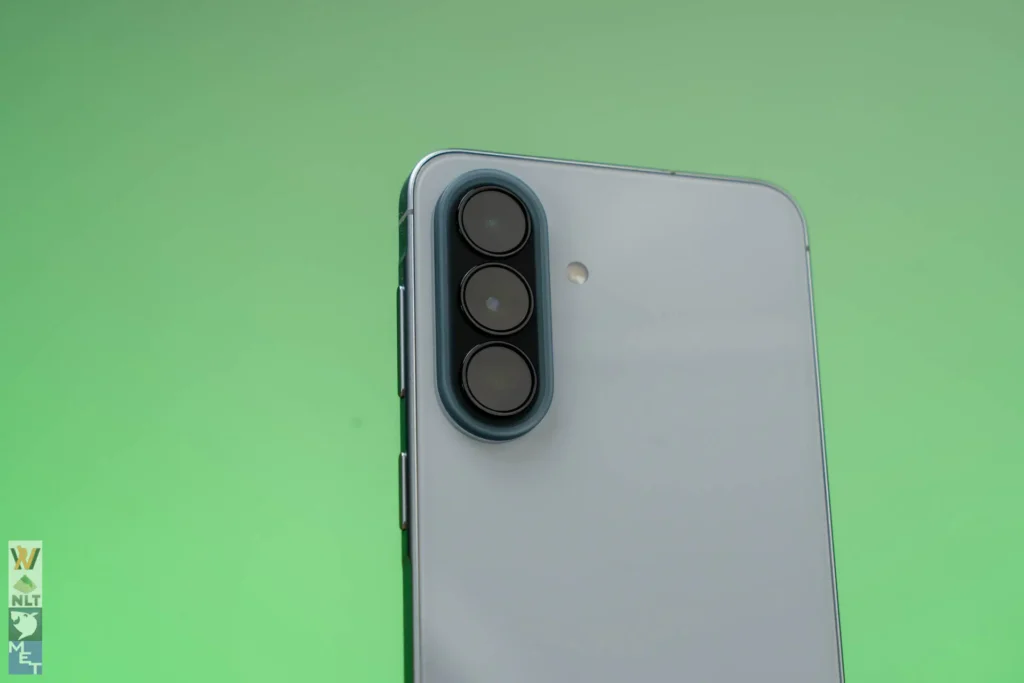
The Samsung Galaxy A57 5G occupies a specific mid-to-high tier in the Malaysian mobile market, functioning as a bridge between entry-level utility and high-end professional hardware. Its positioning is defined by three primary pillars: physical design, extended software lifecycle, and the integration of automated software tools.
Design and Build Strategy
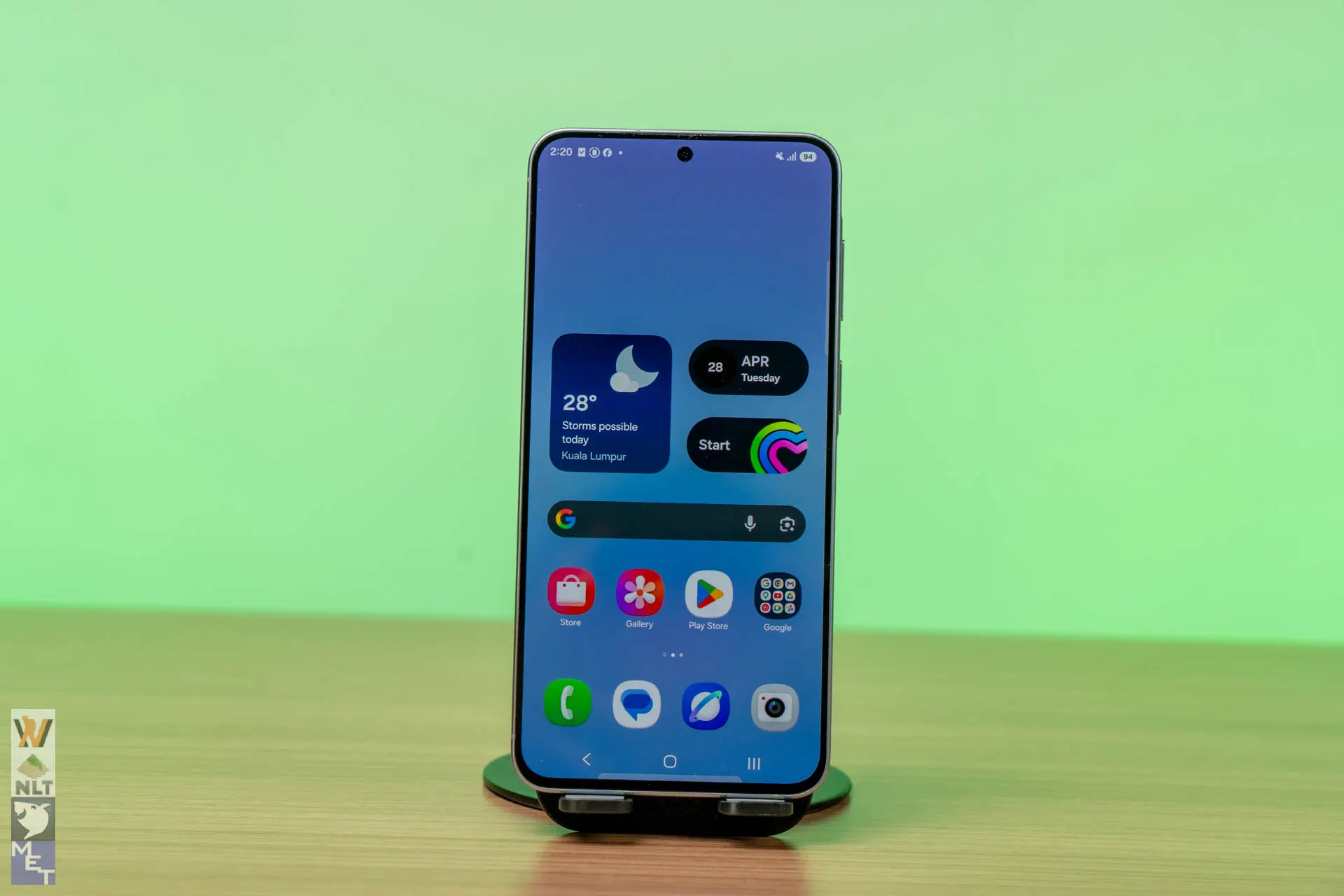
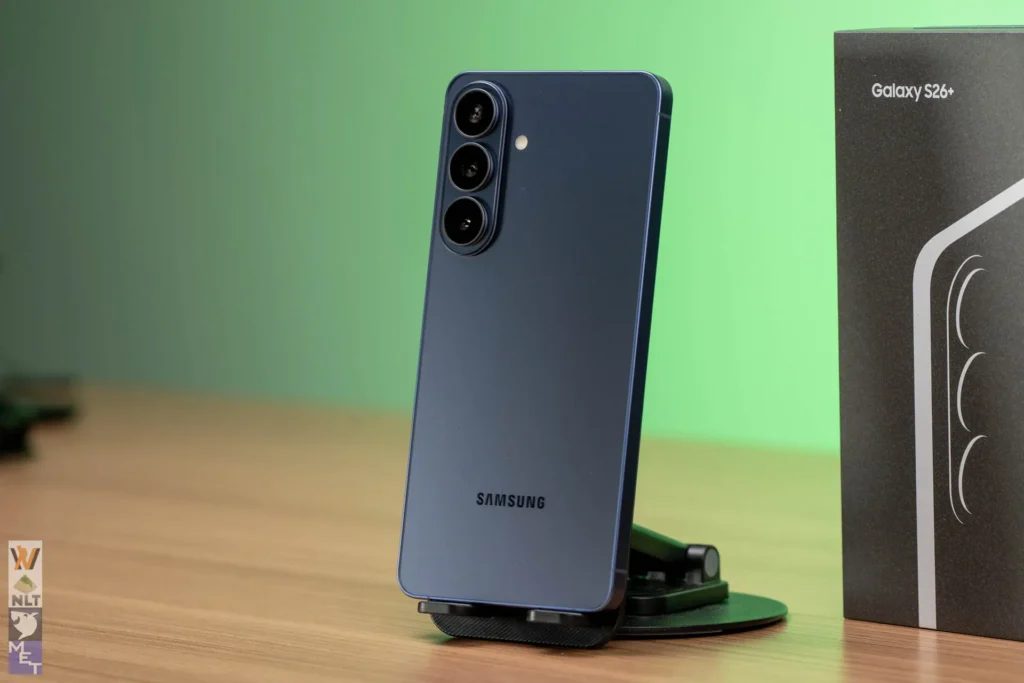
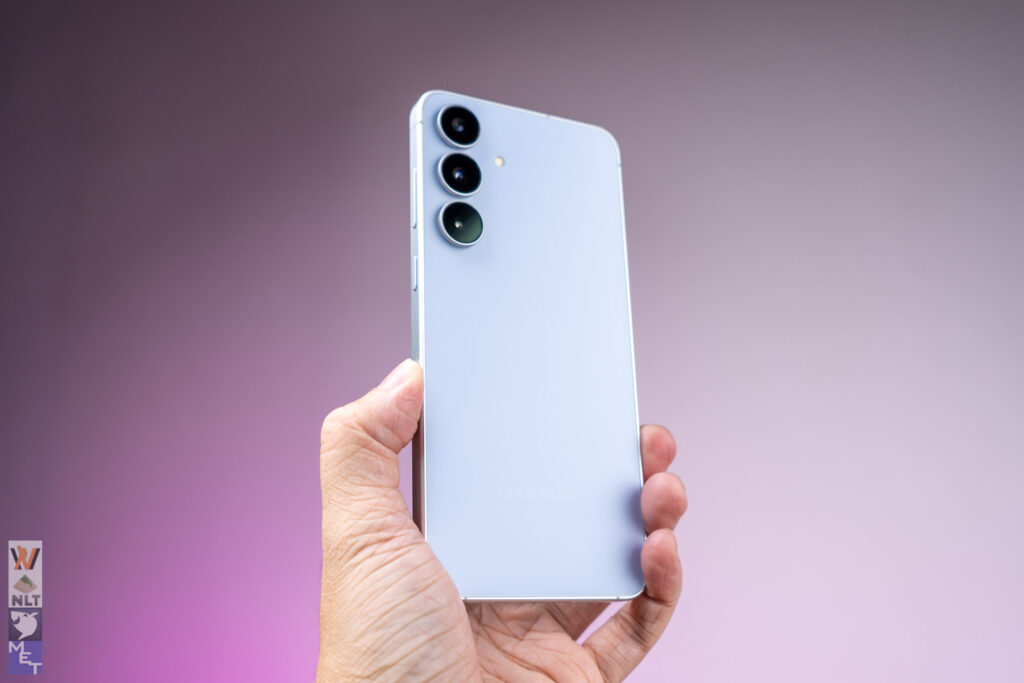
The hardware direction for this model emphasizes ergonomics over raw power. At 6.9 mm, it is one of the thinnest devices available in its price bracket. The inclusion of an IP68 rating, providing protection against dust and water immersion, is a practical necessity that distinguishes it from many other devices.
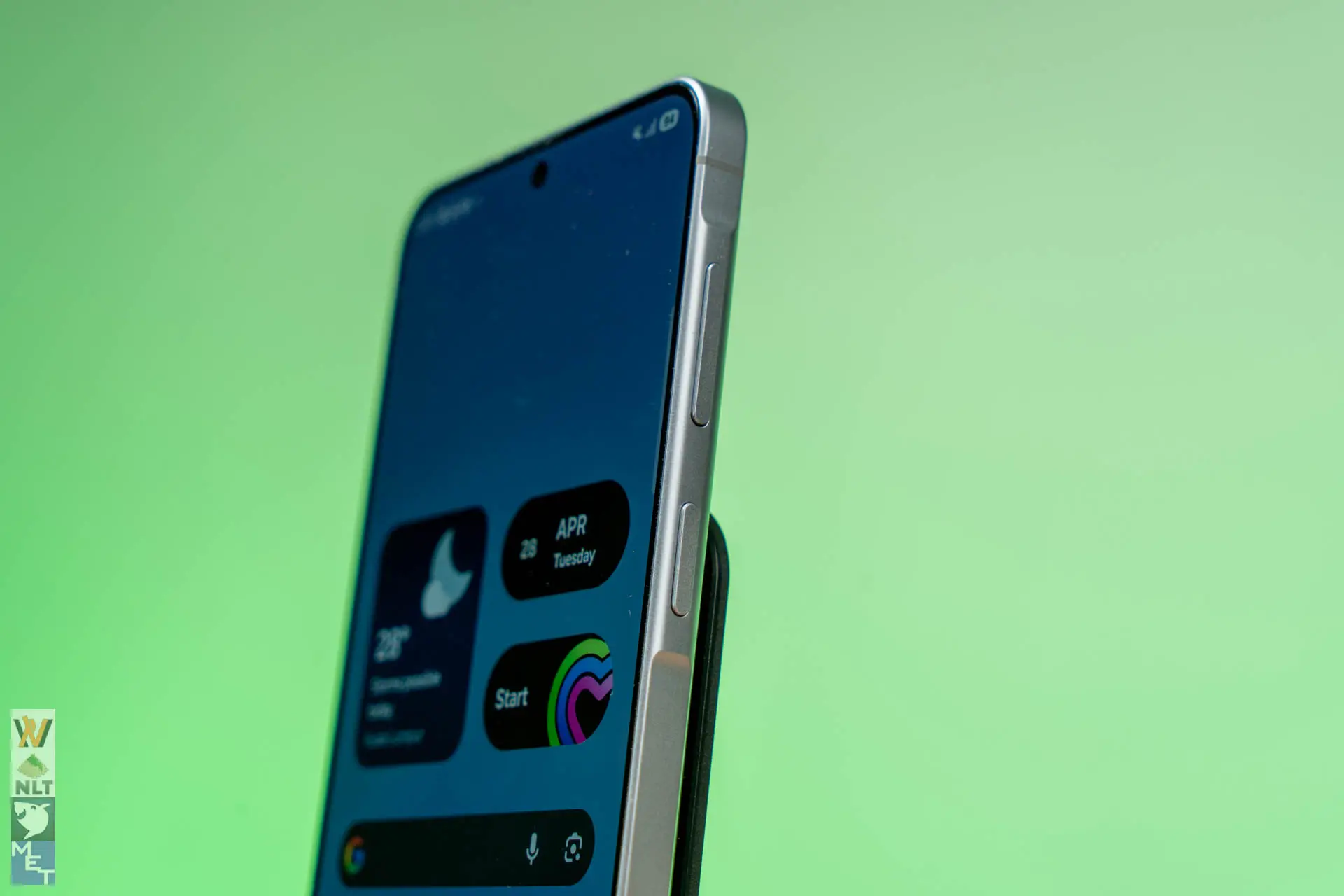
While the build is lighter than previous iterations, the internal cooling system has been expanded to manage heat during sustained use, addressing a common local concern regarding device performance in high ambient temperatures.
Hardware Specifications and Performance
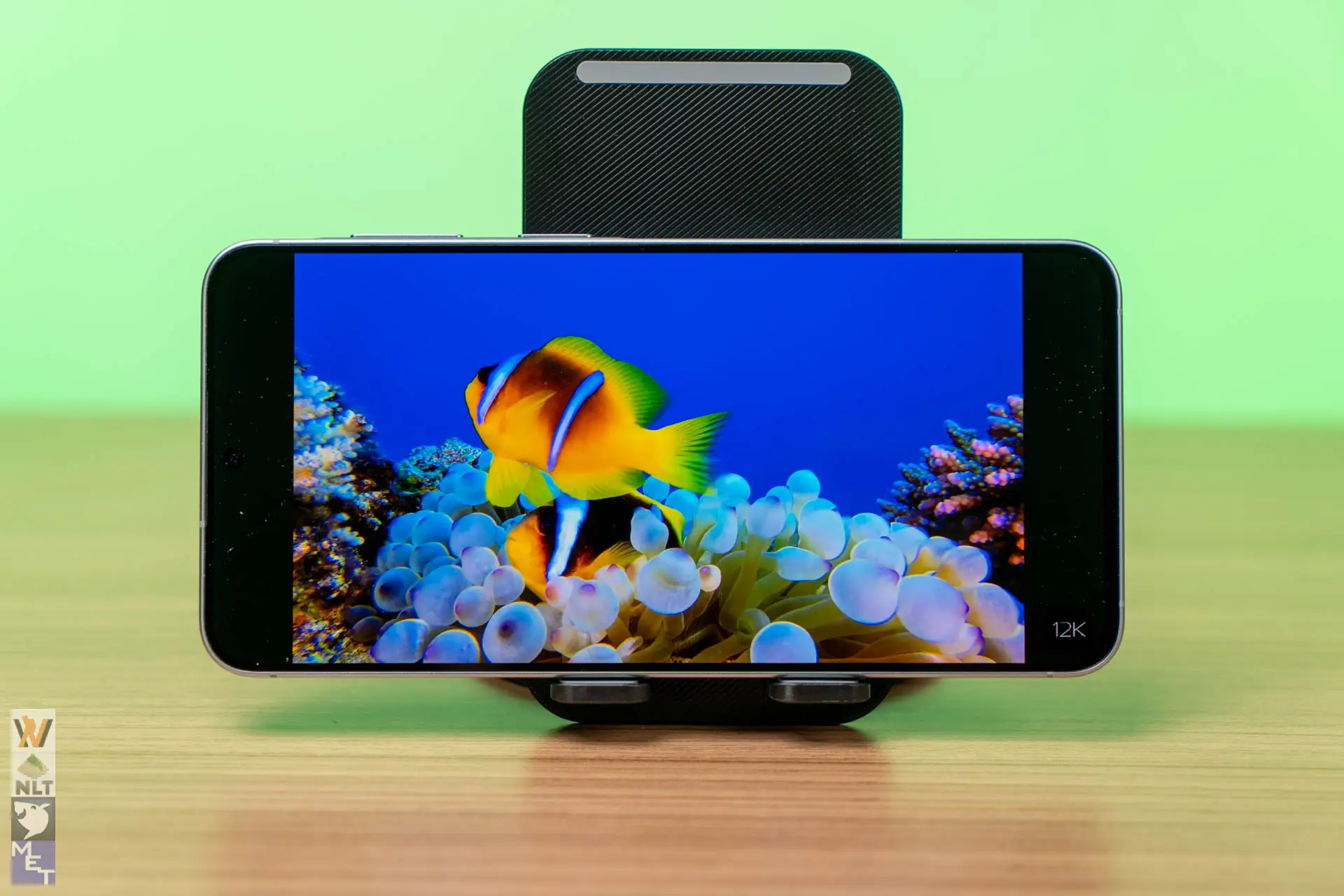
The device utilizes a 4nm-process chipset, the Exynos 1680. Rather than focusing solely on peak gaming performance, the architecture is tuned for efficiency and the execution of on-device machine learning tasks. This is reflected in the display technology; the 6.7-inch Super AMOLED Plus panel reaches 1,900 nits of peak brightness. This high luminance is a critical functional feature for local users who frequently interact with their screens in direct, harsh sunlight.
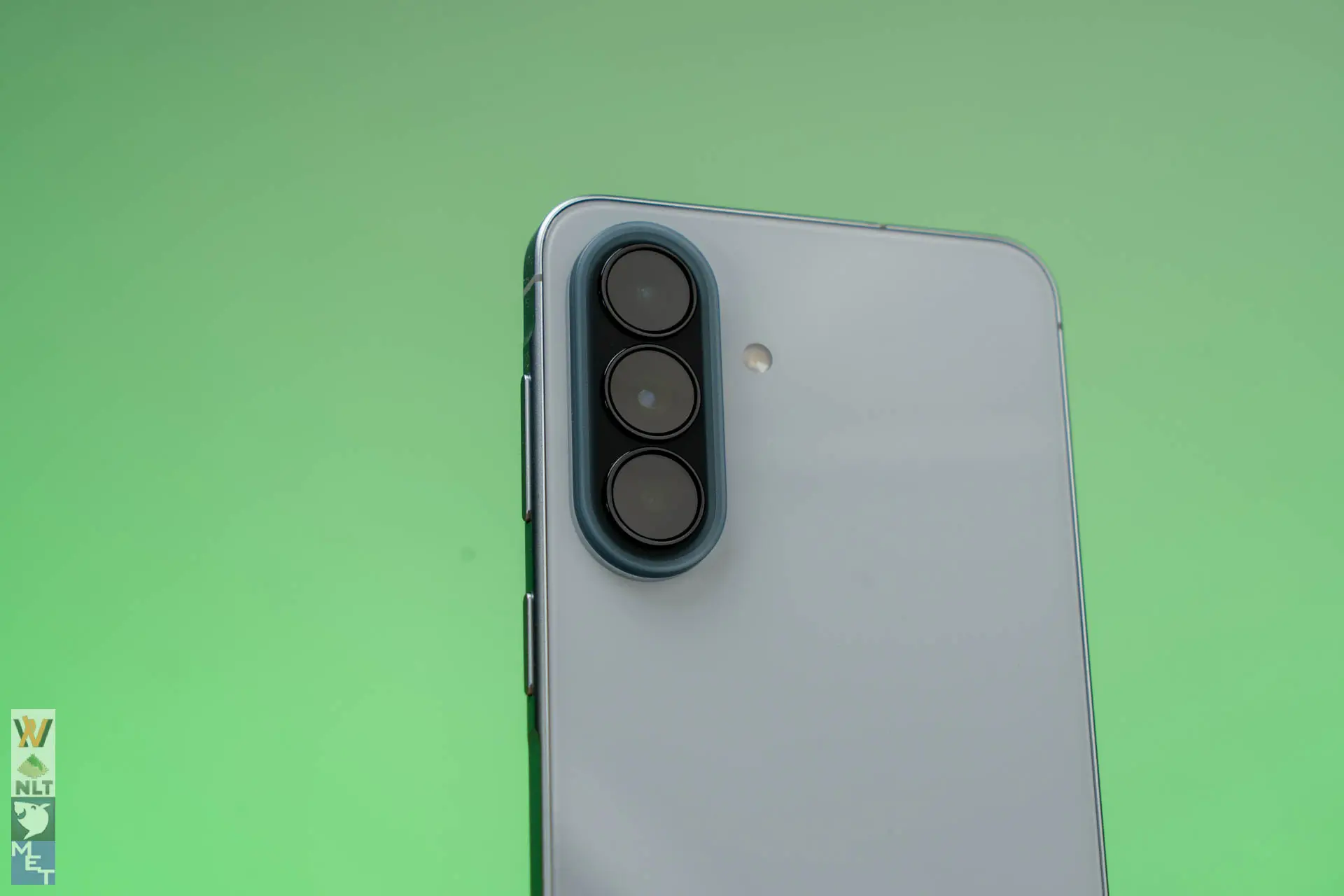
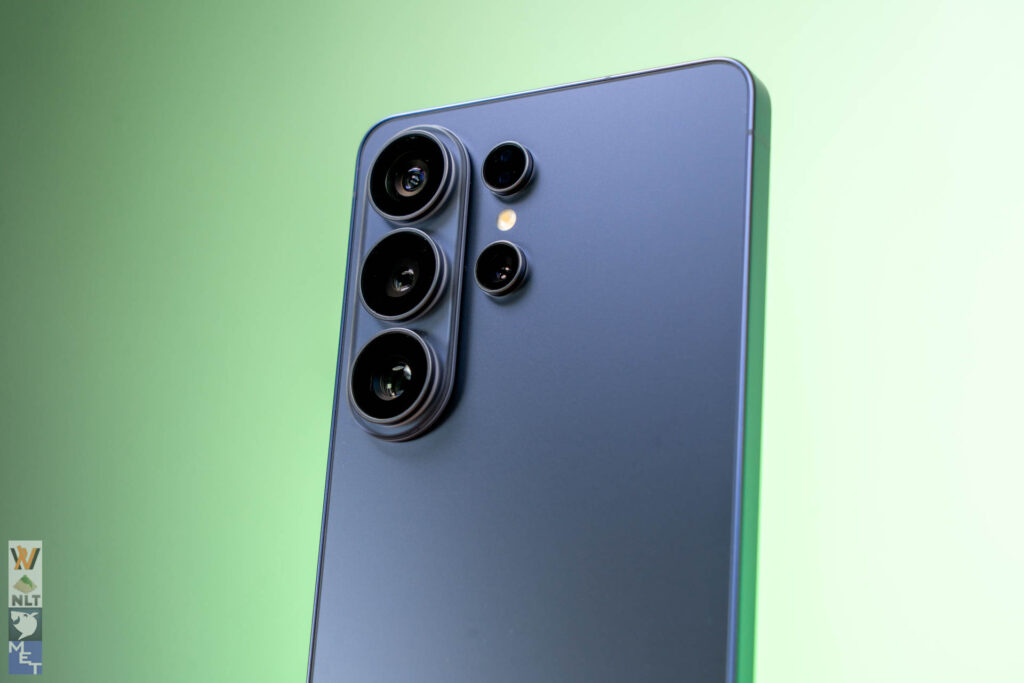
The camera system is built around a 50MP main sensor with Optical Image Stabilization (OIS). While it lacks a dedicated telephoto lens for long-range zoom, it compensates with updated image processing algorithms designed to handle high-contrast lighting environments. The battery remains at 5,000mAh, supporting 45W wired charging, which represents a standard but not industry-leading speed for 2026.
Economic Lifecycle in the Local Market
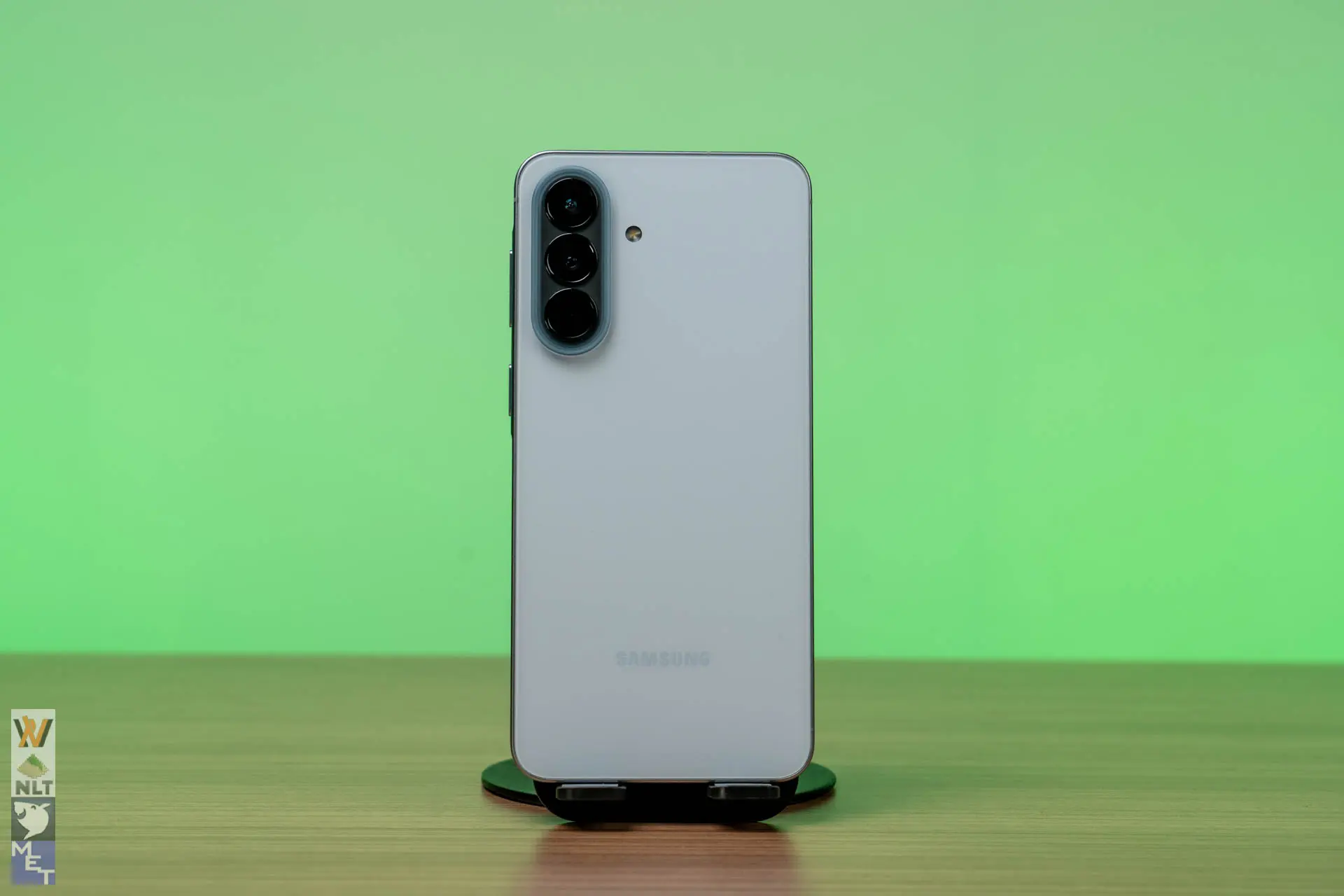
The retail price in Malaysia starts at RM2,399 for the 256GB variant. When evaluating this price point, the most objective factor is the software support policy. Samsung has committed to 6 years of security patches and operating system updates for this model. This shifts the device’s value proposition: instead of a lower upfront cost, the value is spread over a longer period of ownership. For a Malaysian consumer looking to minimize the frequency of hardware upgrades, this six-year window reduces the “annual cost of ownership” compared to devices that may be cheaper initially but lose security support after two or three years.
Market Challenges
There are, however, objective trade-offs in the A57’s positioning:
- Storage: The lack of the microSD card slot means users must decide on their storage needs (256GB or 512GB) at the point of purchase, as there is no path for hardware expansion later.
- Accessories: The retail package follows the modern trend of excluding the wall charger. For local buyers who do not already own a compatible 45W USB-C adapter, this adds an immediate secondary cost to the initial purchase.
- Lens Configuration: The reliance on a 5MP macro lens instead of a more versatile telephoto or periscope lens may limit the device for users who prioritize versatile photography over slimness and AI software features.
Conclusion
The Galaxy A57 5G is positioned as a “long-term” device. It prioritizes a refined physical form, high outdoor visibility, and extended software durability. Its success in the Malaysian market depends on whether the consumer values a six-year software guarantee and a slim aesthetic more than immediate hardware extras like expandable storage or included chargers. It is a calculated middle ground for those who want modern software capabilities without the RM4,000+ investment required for flagship series.