“We don’t mind competition in the foldable market” – Samsung’s latest statement shows positive approach to the maturing tech
Foldable phones used to be the gimmick. At least around the time before and after 2020. Now, after 8 generations of Galaxy Z devices, Samsung’s foldables have become a familiar part of the smartphone landscape.
The conversation has also changed. Instead of asking whether a foldable phone can actually work, consumers are increasingly asking what they could do with one.
Samsung has spent years refining its foldable lineup, taking plenty of feedback from the early generations and using it to improve each new device.
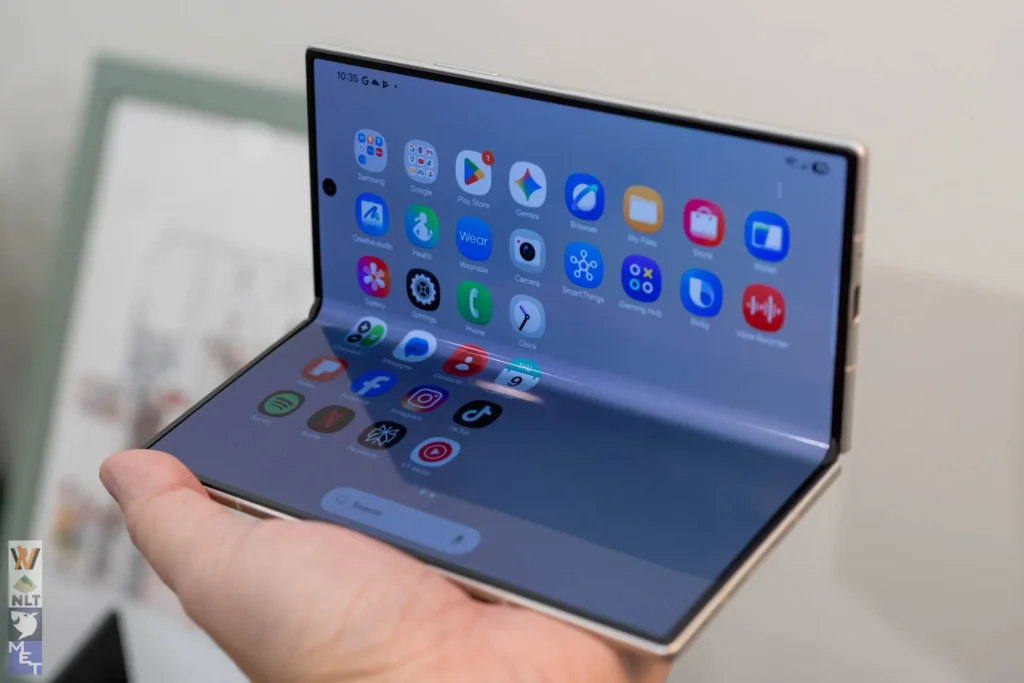
The progress is particularly obvious when looking at the hardware. The Galaxy Z Fold8 weighs just 201g, compared to 276g for the original Galaxy Fold, while its slimmer body makes the large-screen form factor easier to live with.
The hardware is only part of the equation, though. Foldables require software to be rethought as well, since the experience changes significantly depending on whether the device is folded or opened.
That has pushed Samsung to develop One UI around multitasking and the larger displays, turning the additional screen real estate into something more useful than simply a bigger display.
Competition is heating up
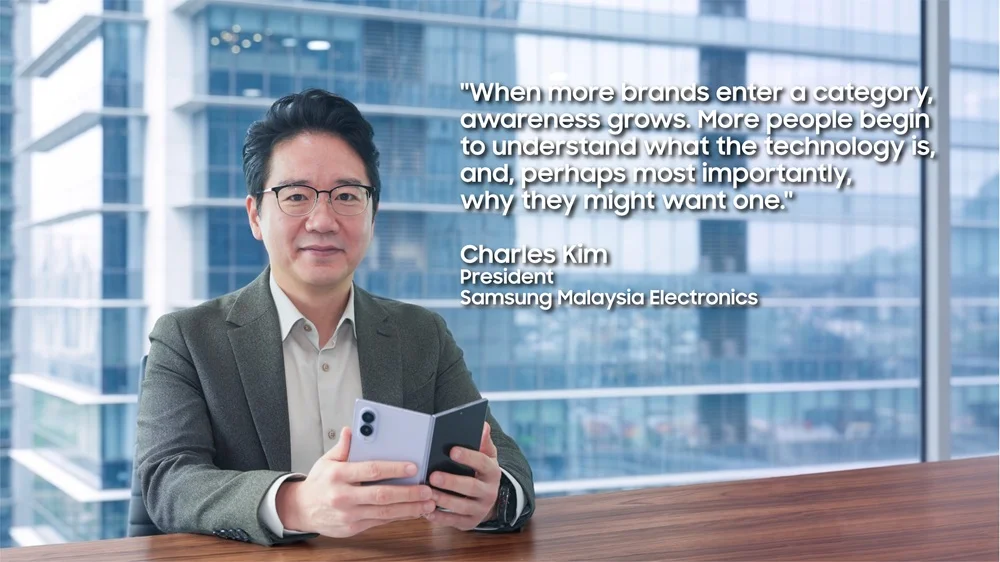
Samsung is no longer the only major player pushing premium foldables forward. More brands have entered the market, with some even introducing their first foldable devices in recent years.
That growing competition could lead to faster innovation cycles, greater pricing pressure, more diverse form factors and better software optimization.
For consumers, that’s a good thing. Competition gives manufacturers more reason to tackle the practical challenges that have followed foldables since their introduction, including durability, weight, hinge reliability and, eventually, affordability.
If foldables are going to become an everyday part of the smartphone market, solving those problems matters far more than simply making another phone that folds.
Why this matters in Malaysia
Malaysia’s mobile penetration reached 99.6% in 2025, meaning smartphones are already deeply embedded in everyday life. When practically everyone already has a smartphone, the next upgrade is less about owning a status symbol and more about what the device can actually do.
Samsung’s research in Malaysia points to an interesting shift among younger consumers, including millennials and Gen Z. The appeal of foldables isn’t necessarily about owning something that looks cool. Instead, it’s increasingly tied to practical uses such as multitasking without constantly switching between apps, having a larger canvas for gaming and entertainment, and getting productivity features that feel genuinely useful.
That’s where the latest Galaxy Z lineup starts to make more sense.
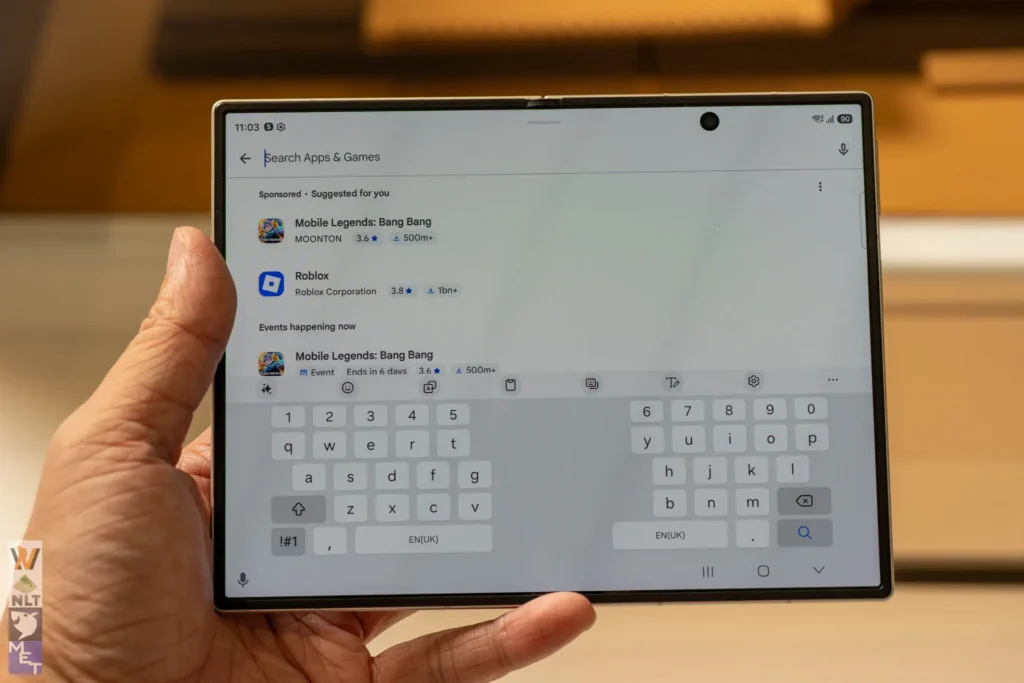
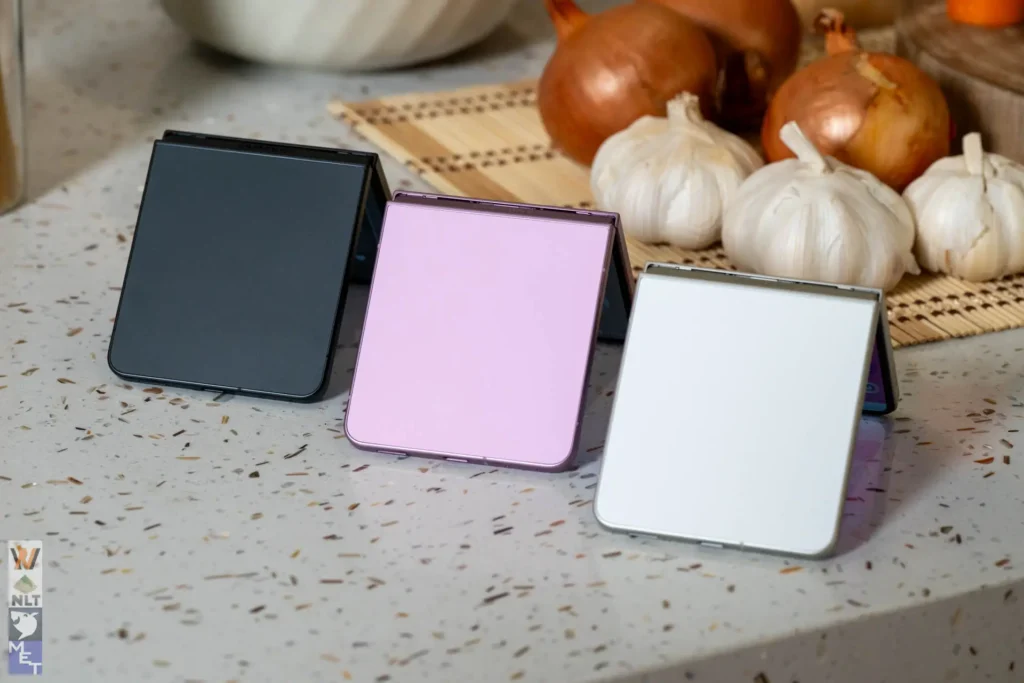
The Galaxy Z Fold8’s 4:3 inner display can provide a more immersive canvas for content and multitasking, while the Fold8 Ultra pushes the larger-screen concept further toward productivity. Meanwhile, the Flip8 takes a different approach by focusing on compactness and self-expression.
Creators can also treat the larger display as a different kind of canvas, while Samsung’s continued work on One UI gives developers and users more ways to take advantage of the form factor.
After years of refinement, foldables are no longer simply about proving that a smartphone can fold. The more interesting question now is what becomes possible because it can.
For anyone who has been sitting on the fence about foldables, that makes this a good time to take another look.