What I Saw at SCSE 2026: From AI Cities to Robotic Parking
I spent some time at the Smart City Summit & Expo (SCSE) this year. The vibe has definitely shifted. A few years ago, it felt like a lot of “what if” concepts, but this year was packed with tech that’s already being deployed. Here’s a breakdown of the booths that actually had something interesting to show.
ASUS and Foxconn: The “Sovereign AI” Push
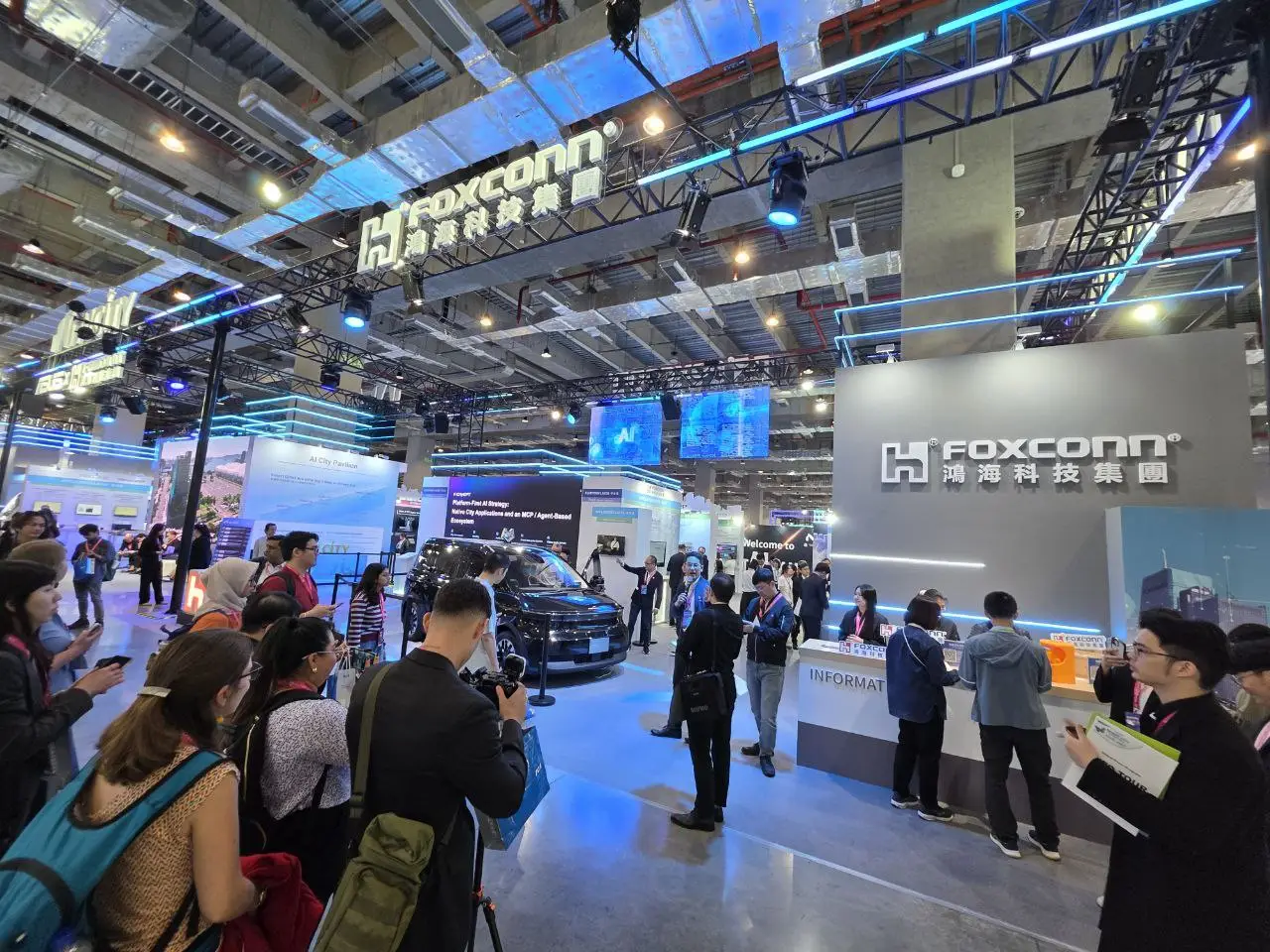
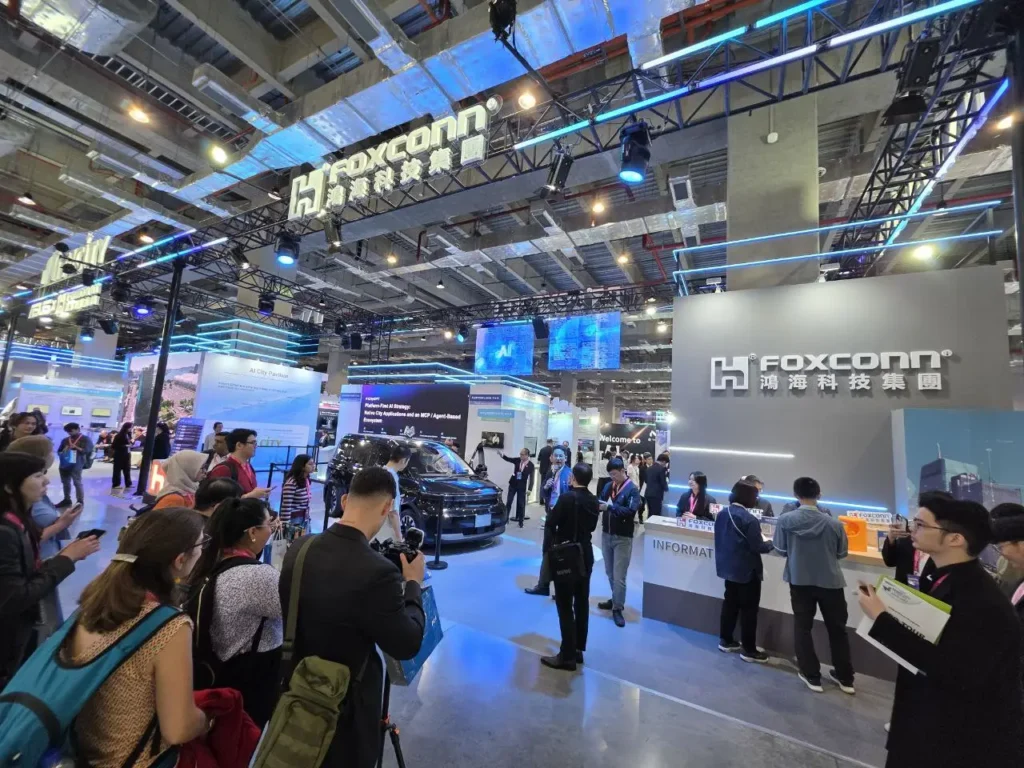
The biggest footprint at the show was the joint pavilion between ASUS and Foxconn. The term they kept using was “Sovereign AI.” In plain English, they’re building systems that let a city run its own AI on its own servers rather than shipping all that sensitive citizen data off to a third-party cloud.
- ASUS showed off a platform called Maestro. It’s basically a manager for city robots—think delivery bots and security bots from different brands all being able to talk to each other so they don’t run into one another.
- Foxconn was focused on the infrastructure. They’re integrating data from their Model T electric buses into a central city dashboard to help municipalities track everything from battery health to traffic patterns in real-time.
Tokyo Pavilion: High-Tech Space Saving
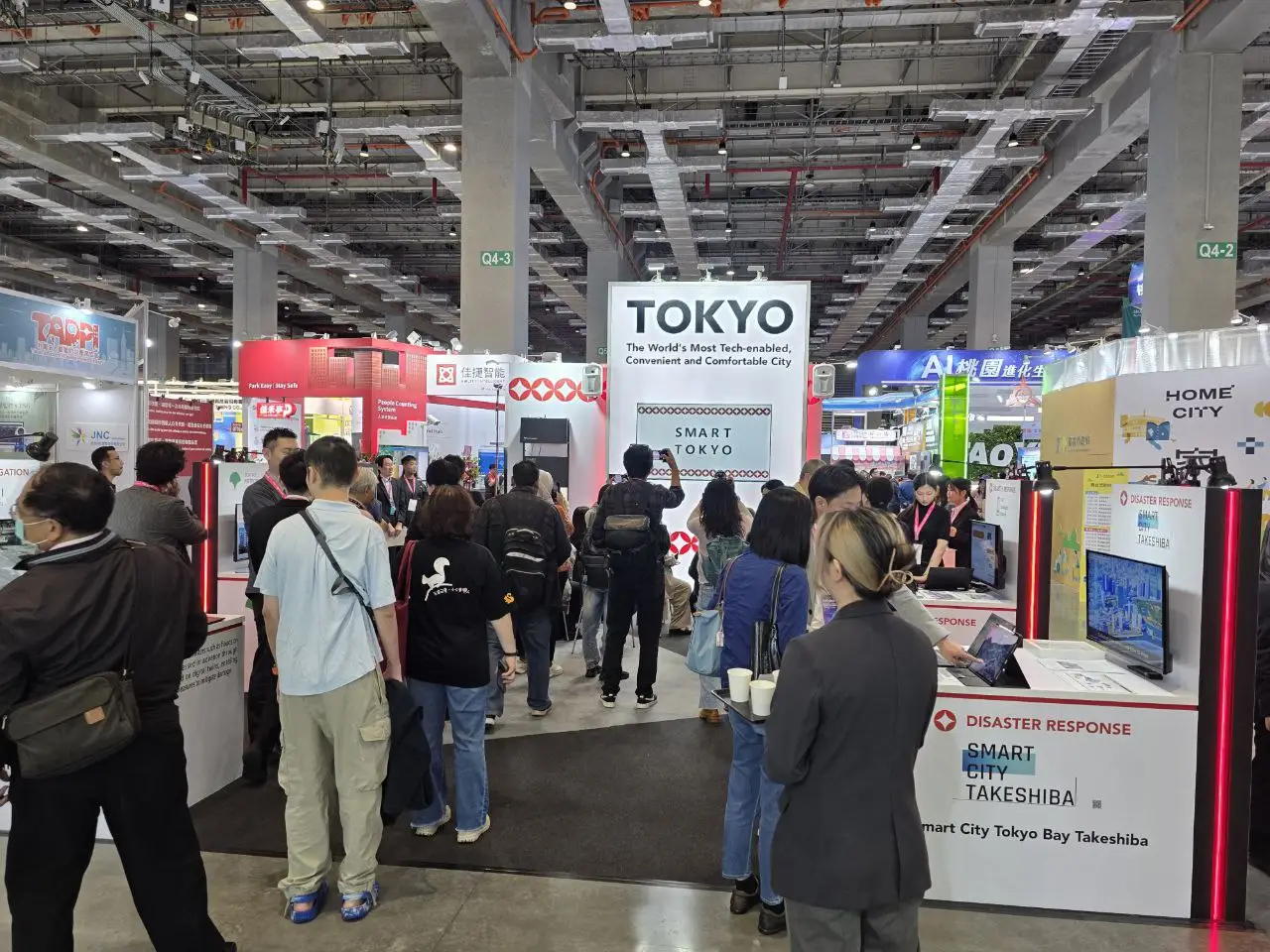
Tokyo Pavilion brought “SusHi Tech” (Sustainable High City Tech). The highlight for me was Autoparking Co., Ltd. * They showed a video of a mechanical “puzzle” parking system. In crowded cities like Tokyo or Taipei, you don’t have space for sprawling lots. Their robotic “dolly” picks up a car by the tires and tucks it into a vertical tower in about 90 seconds. It’s quiet, fast, and saves an incredible amount of space.
- They also had a live “Digital Twin” of Tokyo—a 3D map that isn’t just for show; it uses real-time sensors to predict where flooding might happen during a typhoon.
The Practical Stuff: Parking and Security
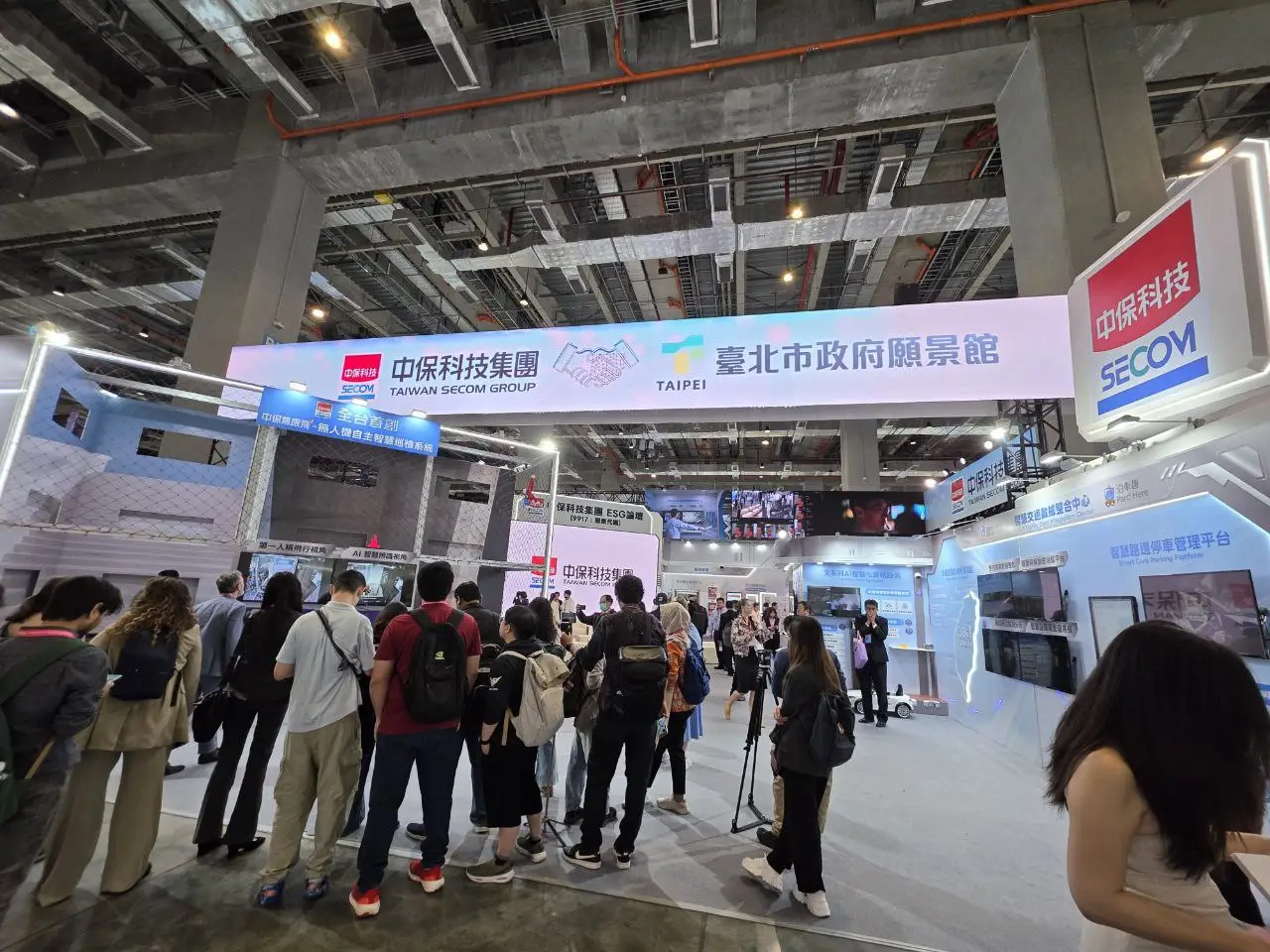
- CAMA (Smart Parking): This was a very practical roadside solution. Instead of a meter, they have these smart pillars with cameras. They use AI to read your plate the second you pull in and start a timer. You just pay through an app when you leave. No paper tickets, no wardens walking around in the heat.
- Taiwan Secom (SIGMU): They are moving away from traditional wired security. They’ve got a new intercom system called G.Talk that uses a tiny 6-gram tag instead of a massive box on the wall. They also showed AI cameras that can recognize “distress behaviors”—so if someone falls or there’s an accident, the system flags it to emergency services automatically.
Connectivity: Askey & FET
- Askey (ASUS subsidiary): They had some really rugged-looking 5G gear. I saw “backpack” 5G stations that emergency teams can carry into disaster zones to set up a private network when the main towers are down.
- Far EasTone (FET): Their “Smart Poles” are becoming a common sight. They look like regular streetlights but they’re packed with 5G small cells and environmental sensors to track air quality and traffic flow simultaneously.
The Net Zero Vision
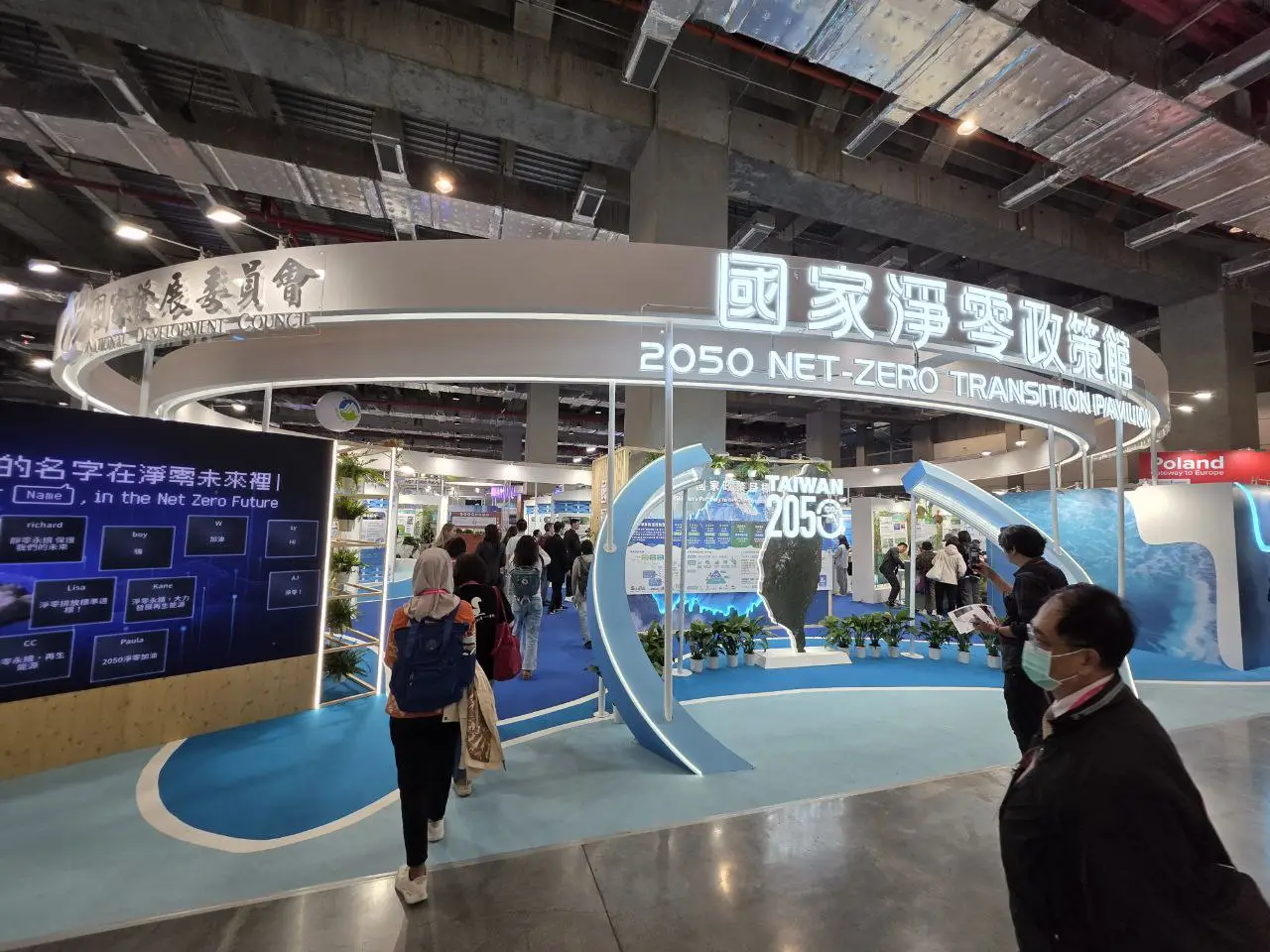
Over at the Net Zero Pavilion, the conversation was all about the 2050 goals.
- Virtual Power Plants: I saw how companies like e-Formula are using AI to link up hundreds of EV batteries and solar panels. When the city needs extra power, the AI “borrows” a little bit of juice from all these batteries to keep the grid stable.
- Hydrogen: There’s a massive push for hydrogen infrastructure for buses. It’s clear that Taiwan is betting big on hydrogen as the “clean” alternative for heavy transport that batteries can’t handle yet.
Bottom Line:
This year’s show wasn’t about “the future”—it was about hardware and software that is already hitting the streets. It’s about making cities run a bit more efficiently and, hopefully, a lot cleaner.