The Blueprint for Net Zero: Technical Deep-Dive from the 2026 City Leaders Summit
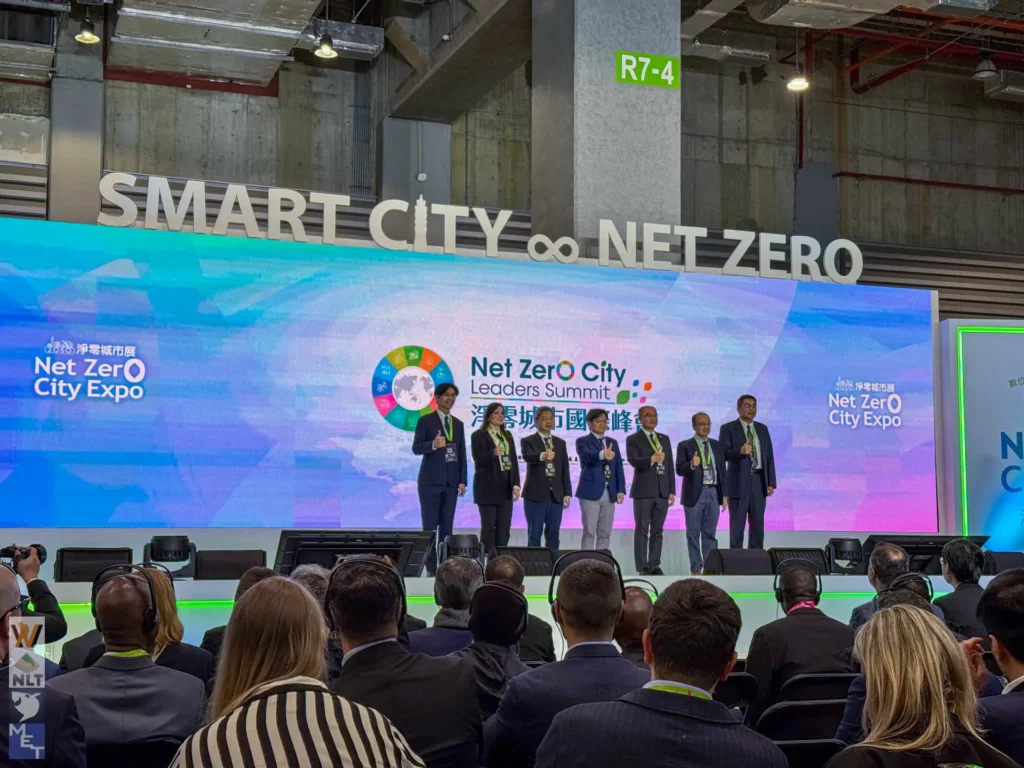
The transition to Net Zero is moving out of the “ambition” phase and into the “architecture” phase. At the Net Zero City Leaders Summit main forum in Taipei, the slides and presentations from top experts revealed a clear, data-driven roadmap for how cities can actually hit their 2050 targets.
Here is the technical and strategic breakdown from the forum’s key speakers.
ITRI’s Strategy: Bridging the “Lab-to-Market” Gap
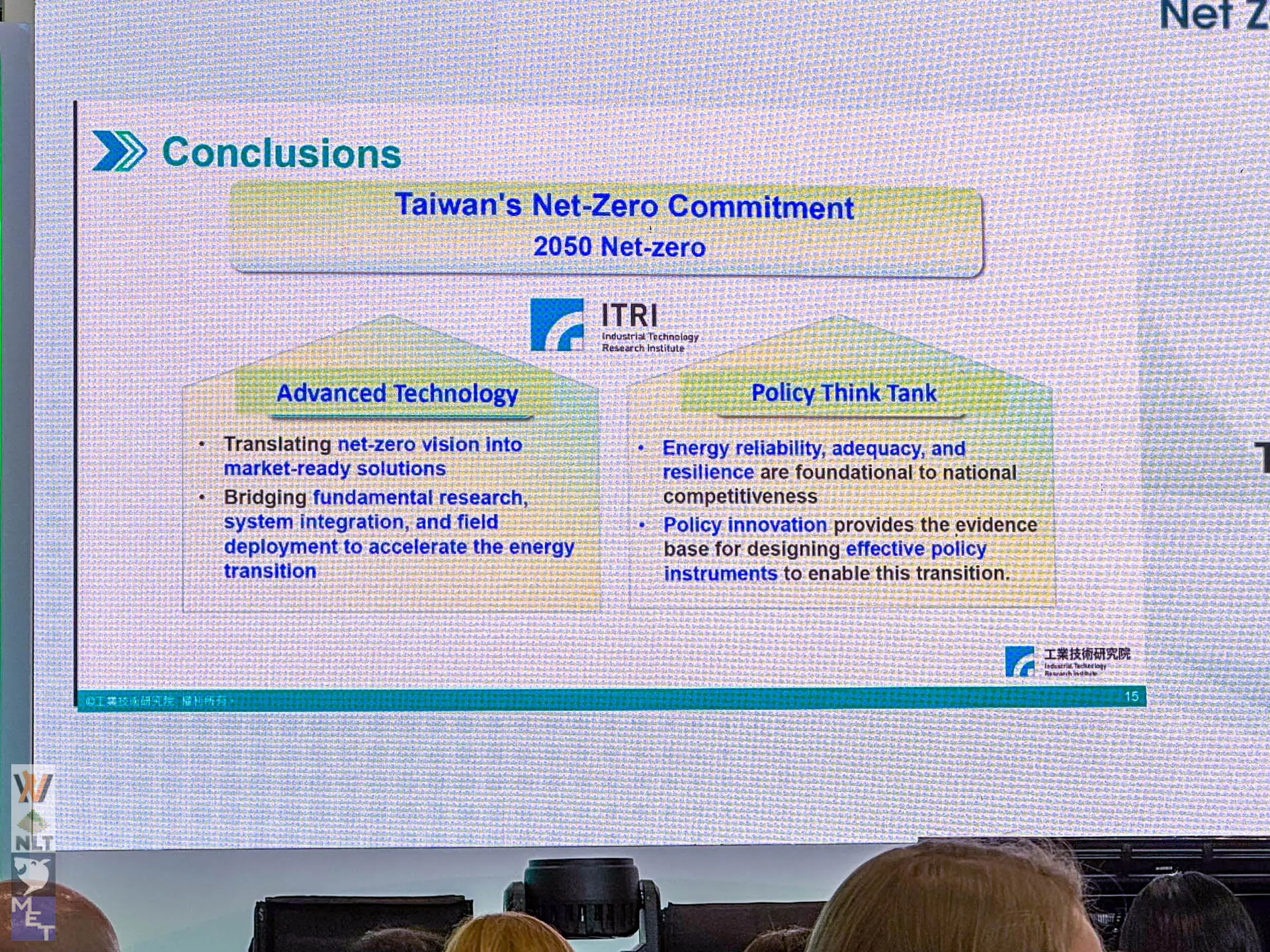
Dr. Tzong-Ming Lee, Executive Vice President of ITRI, presented a comprehensive dual-track strategy. His slides emphasized that technology alone isn’t enough; it requires a surrounding ecosystem of policy and market readiness.
- R&D Excellence & Market-Oriented Solutions: ITRI is focused on moving advanced technology from fundamental research into field-ready deployments. This involves high-efficiency energy systems and carbon-neutral infrastructure that can be scaled immediately.
- A “Policy Think Tank” for Innovation: One of the most critical points was the role of Policy Innovation. ITRI is acting as a bridge, using evidence-based data to help governments design regulatory instruments. The goal is to create a “virtuous cycle” where tech maturity and policy incentives drive private sector investment.
- International Collaboration: The roadmap explicitly calls for global cooperation to align technical standards, ensuring that net-zero solutions developed in Taiwan can be integrated into global supply chains.
The Urban Transitions Mission (UTM): Systemic Innovation
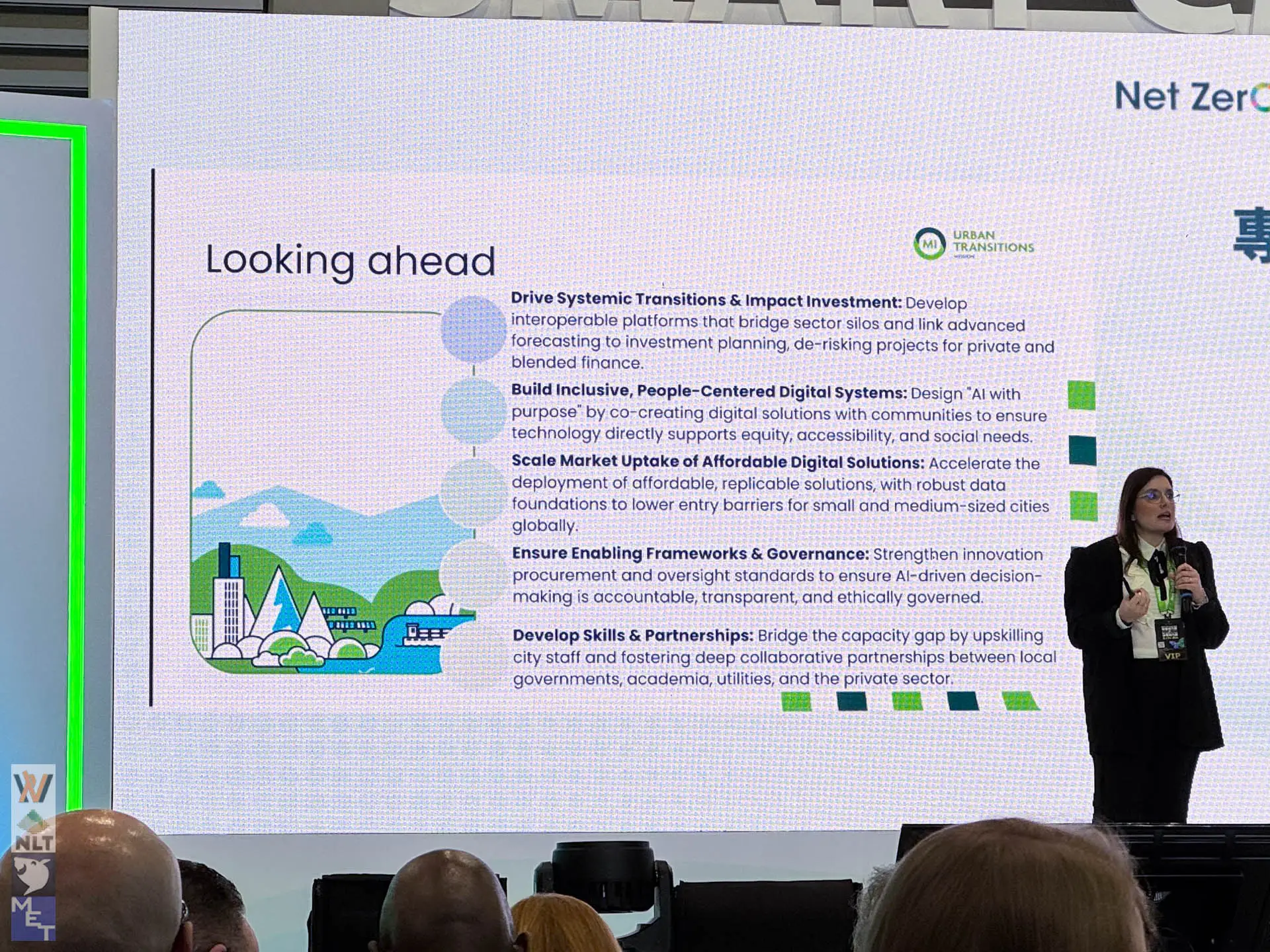
Giorgia Rambelli, Director of the Urban Transitions Mission, shifted the focus toward a systemic “Cities Vision in Action.” Her presentation highlighted that the transition is a multi-dimensional challenge involving more than just hardware.
- The UTM “Secret Sauce”: The mission isn’t just about individual projects; it’s about Systemic Innovation. This includes:
- Blended Finance: Designing “de-risking” frameworks to make green urban projects more attractive to private investors.
- Inclusive Digital Systems: Ensuring that the digital layer of the city serves all citizens, focusing on equity and social needs.
- Capacity Building & Upskilling: A major takeaway was the “Human Element.” Cities need to invest in training their workforce to manage the complex, AI-driven infrastructure being deployed today.
- City-to-City Knowledge Sharing: UTM is currently facilitating a cohort of 28 cities to co-create and pilot these transition models. The strategy is to turn these cities into “blueprints” that the rest of the world can follow.
The Bottom Line
The 2026 Summit made it clear: Net Zero is now an engineering and policy challenge. The technology—from AI-driven energy grids to high-efficiency materials—is already in the pipeline. The success of our cities now depends on how quickly leaders can implement the “Policy Innovation” discussed by ITRI and the “Systemic Transitions” championed by the UTM.
The tools are ready. It’s time to scale.