CES 2026 Internet & WiFi Services: A Primer for Exhibitors
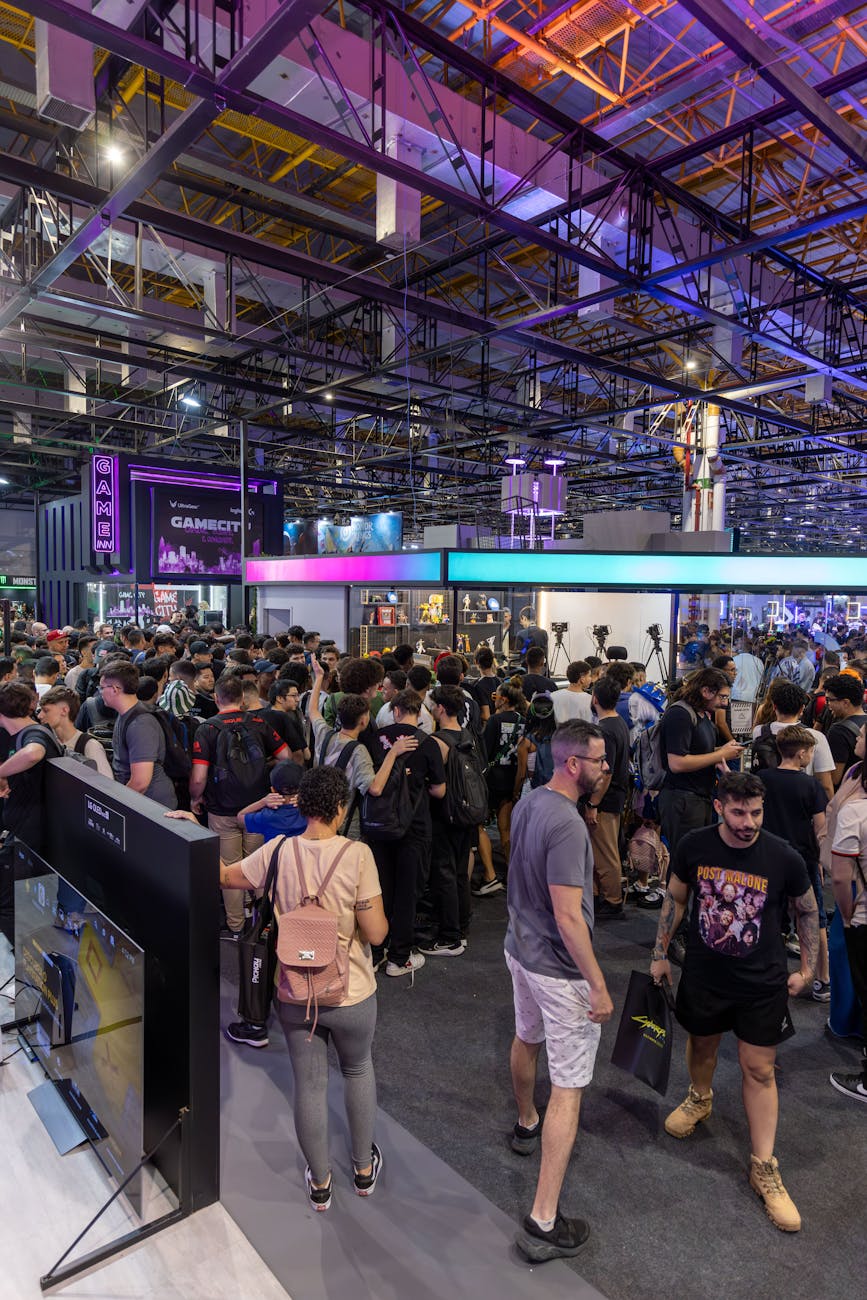
Photo by Matheus Bertelli on Pexels.com
Every year in January, Las Vegas is transformed into the meeting point for consumer electronics, new hardware, and application software. CES 2026 will also witness the presence of more than 130,000 visitors, over 4,000 exhibiting companies, as well as tens of thousands of media delegates at various locations that cover multiple hotels, conference centers, or temporary exhibit venues. Though the showcase of products and the design of their exhibits get the maximum attention, one of the most critical factors for the event organizers is internet connectivity.
When it comes to consumer electronics products that are displayed at shows like CES, it is hard to find any that are not networked devices. Smart homes, wearables, intelligent appliances with AI, automotive solutions, or even products related to augmented reality require seamless interactions with cloud services. A good demo has become less about what is physically on the table and more about what is passing through the air.
Why CES Internet is Different from Other Trade Shows
CES is not your average trade show. “The event takes place in various areas of the Las Vegas Convention Center, hotel ballrooms, outdoor demonstration areas, VIP suites, and temporary exhibits,” says Schwartz. Network conditions are dynamic by the hour with traffic patterns, keynotes, and press trends moving through the event areas. While the initial challenge is unique to CES, understanding network traffic patterns is universal for network architects. “Network traffic analysis is
While other regional shows, CES draws:
Global media live broadcast from booths
Venture capital teams requiring real-time product validation
Cloud-Connectible Consumer Electronics: Purchasers Testing Devices
An engineer conducting congestion tests of devices
Internet services provided by the venue are often shared among thousands of connections. Even if it is a paid internet service, it could be throttled for uploading or could throttle certain traffic such as live streaming, VPNs, or cloud syncing. This creates uncertainty for exhibitors who are conducting critical demos.
Real-World Connectivity Requirements for Consumer Electronics Demos Today
Developments in consumer electronics have brought about a host of new demands for booth connectivity. These include online access for:
Requests for AI Inferences Made Elsewhere
Firmware verification for network devices
Real-time analytics dashboards shown to prospects
Payment solutions for retail-ready prototypes
Building Secure Data Tunnels for Enterprise Presentations
When the connection is poor, the demos become silent failures. This means that devices become frozen, the dashboards hang, and everything stops being believable. Such instances never get a second chance, let alone a walk-through or an investment meeting at a press event.
Cost Pressure and the Emergence of Portable Internet Access
Internet pricing for CES is tied to the growth of the event. Internet services for the venue are priced for the long term, not for flexibility. Sometimes, the exhibition is charged for multiple days of internet services even if the service is only needed for certain demonstrations, meetings, or press windows.
This pricing model has caused many companies to seek alternative solutions that better interact with their booths. Short-term requirements such as Press Day, launch windows, or demo-only connectivity have driven the need for portable solutions that can be installed and dismantled without changing the infrastructure of the booth.
This shift is also inspired by concerns about reliability. Having the network layer allows exhibitors to dictate traffic prioritization, security, and performance without having to compete with other exhibits in their neighborhood.
Adding Redundancy to CES for Network Protection
Internet failure in CES is seldom the result of a point of failure. Issues like congestion, RF saturation, carrier throttle, and upstream systems contribute to the inefficiencies. Network solutions are increasingly designed with redundancy instead of speed in mind.
Common techniques include:
Multi-carrier celluar system to minimize reliance on one network
Cellular Bonding for Bandwidth Combination
WAN smoothing for smoothening the packets related to video and cloud services
Dedicated local area networks independent of event facilites
These approaches neither remove congestion nor minimize it, but they make it more predictable during critical periods of time.
Press Day/Event and Product Launch Connectivity
“Press Day is uniquely demanding for booth internet.” Members of the press expect “immediate access to live demos, live feeds, or downloaded material.” An “unsuccessful demo on a press walk-through means no coverage, not just late coverage.”
Today, it is not uncommon for companies to reserve Press Day networking independent of the public show days. This helps ensure that bandwidth is allocated for press activities without breaking the bank. Internet installations geared for launch events are increasingly integrated into CES preparations for both start-ups and established companies.
Security in the Show Environment
CES networks are dense, public, and closely surveilled. Consumer electronics firms dealing with pre-launch firmware, consumer data, or intellectual property protocols are at risk of exposure as they work through public networks.
Private Internet deployment options enable exhibitors to:
Controlling Access points
Mandate encryption standards
Separate demo traffic from public devices
Real-time monitoring of monitor usage
Such a degree of control is increasingly relevant for companies that are involved in health tech shows, biometrics, or home connect products.
Internet: A Sales Enablement Tool
Connectivity means more than for demos. Sales reps need real-time CRM access, inventory checking, and pricing capability. Retailing-oriented consumer electronics companies typically finalize sales at their booths, transforming CES into a live revenue-generating setting, not just a leads-generation one.
It provides a reliable connection that facilitates:
Real-time order placing
Distributor onboarding
Real-time contract analysis
On-the-Spot Configuration Testing
Without good internet access, such opportunities are deferred or forgoe.
Internet Planning Like Booth Design Planning
Those with the least issues with connectivity tend to incorporate Internet planning as a mindset or thought process, not an add-on. Things such as demo data pathing to peak periods of data utilization and prioritized traffic lanes are no longer novel concepts for seasoned CES staff.
Network Planning Includes:
Network for staff, for demonstration purposes, for guests
Upload priority for streaming and cloud sync
Failover paths test before doors are open
This setup helps alleviate stress levels before or during the event and allows teams to engage without worrying about issues.
CES Internet Service Providers
Exhibitor needs have changed, but there is an increasing need for independent companies that specialize in event network solutions on a temporary basis. These companies plan their solutions for a high-density, temporary area as opposed to a permanent network.
One of these rental WiFi Internet Service Providers for CES is WiFit.net, which is a major alternative for businesses that require portable WiFi Internet services for CES rather than acquiring connections from event centers at high costs. As CEO Matt Cicek says:
“CES booths aren’t failed by a lack of bandwidth,” he says. “They’re failed by a lack of understanding of what actually occurs in a demo session. It’s not about speed—it’s about redundancy, control, and timing.”
Industry engineers and broadcast technicians echo this sentiment in that the key to understanding the difference between a successful demo and an unsuccessful presentation is stability within peak windows.
Why Exhibitors Find It Attractive to Adopt Rental-Based Services
This increase in interest for a rental WiFi internet service provider offering CES 2026 from providers like WiFit is linked to the evolving trends in trade show events. This is in regard to the flexibility, predictability, and ownership that companies seek without requiring infrastructure investment. Portable rental solutions would enable firms to introduce scalability with respect to the number of connections, dependent on the volume of business in booths, cutting waste while safeguarding critical interactions. With consumer electronics increasingly dependent on cloud smarts and real-time interactions, such methodology is more in tune with current production and showcase trends.
CES 2026 promises to bring new levels of connected products, data, and demands on showgoers. Internet planning is no longer an afterthought in conference organization but is itself a key part of the event. Those who understand this approach to it come to it ready, confident, and equipped to execute when the spotlight is on them.