Arm @ COMPUTEX 2025: AI will be the main driving force for most if not all sectors, and they are ready to provide

Arm has completed its COMPUTEX 2025 keynote today, and it carries an ambitious commitment of delivering a complete AI hardware and software stack that spans cloud to edge applications.
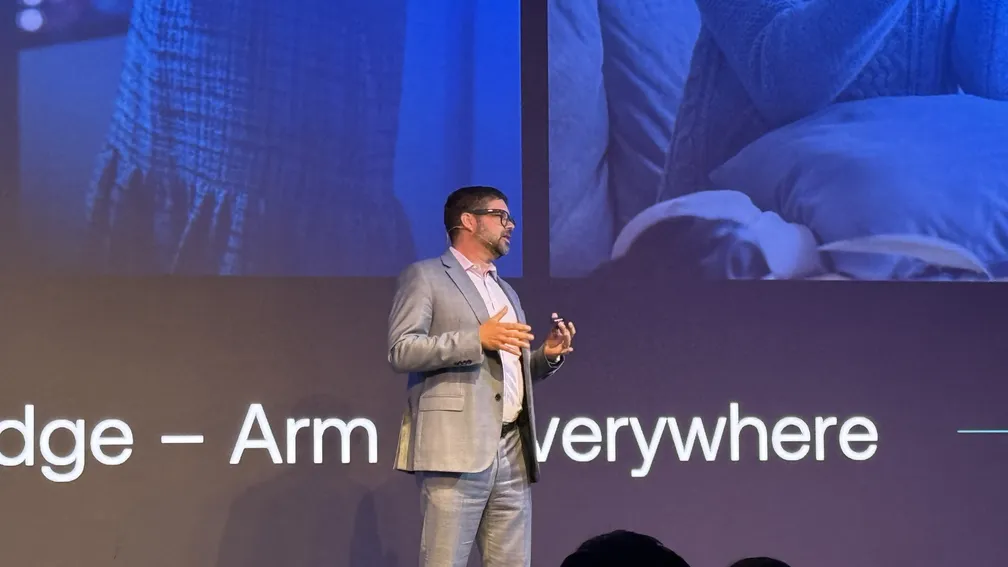
Senior VP Chris Bergey emphasized that AI is no longer confined to the cloud. With models moving into consumer devices such as smartphones, laptops, and cars, Arm sees an opportunity in what it calls “physical AI” – where systems can perceive and interact with the physical world. The company’s long-standing focus on power efficiency is proving essential in enabling this transition.

The SVP highlighted Taiwan’s foundational role in the AI ecosystem, calling its design and manufacturing expertise central to the global supply chain. But maintaining leadership will require new levels of innovation and cross-industry collaboration, he said.
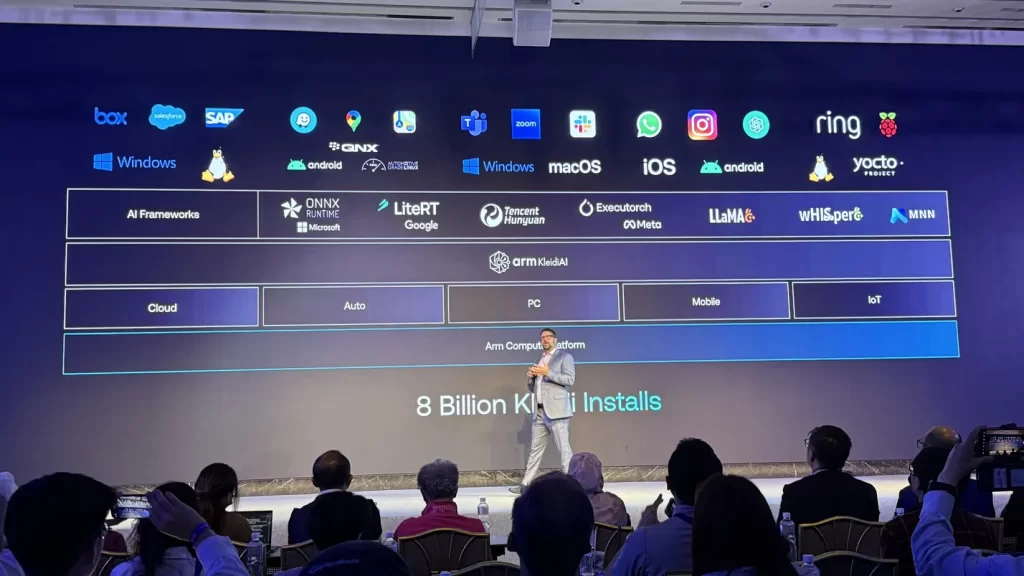
As of now, Arm’s AI roadmap stands on three pillars: a unified platform from cloud to edge, strong support for the global developer community, and performance-per-watt leadership. With over 310 billion Arm-based chips shipped to date, the company is building on a mature foundation.
A key element of Arm’s AI software strategy is KleidiAI, an optimized library suite launched in 2024. It’s already integrated into major frameworks like PyTorch, ONNX Runtime, and MediaPipe, and supports prominent Chinese models including Qwen and Hunyuan. The aim is to make inference more efficient and accessible on Arm CPUs, across all types of devices.
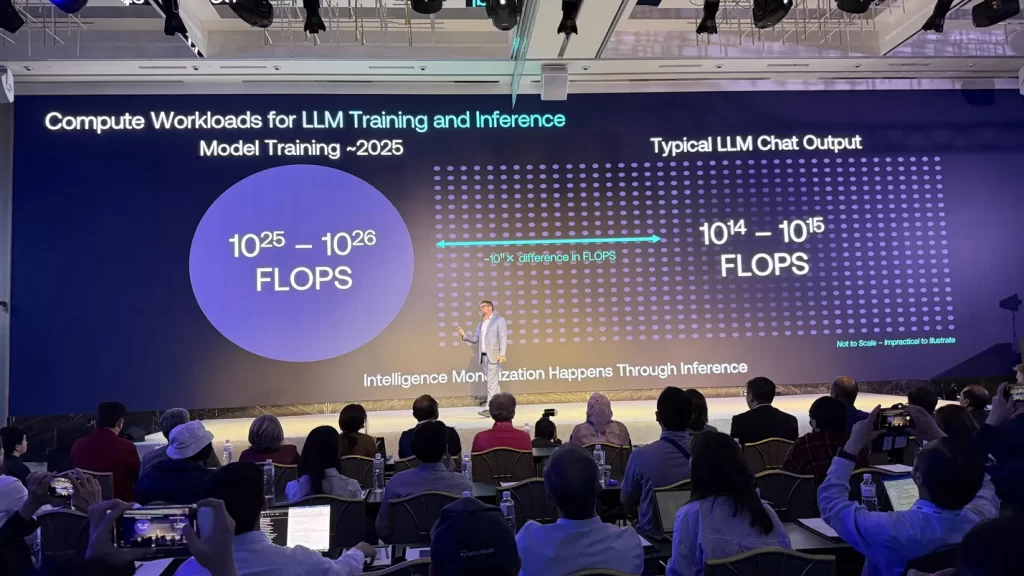
From a different perspective, Bergey has tackled the “misguided spotlight” of overfocusing on AI training rather than inferencing, and the latter is where real-world value is delivered. Whether in consumer electronics or edge devices, energy-efficient inference is becoming the decisive factor.
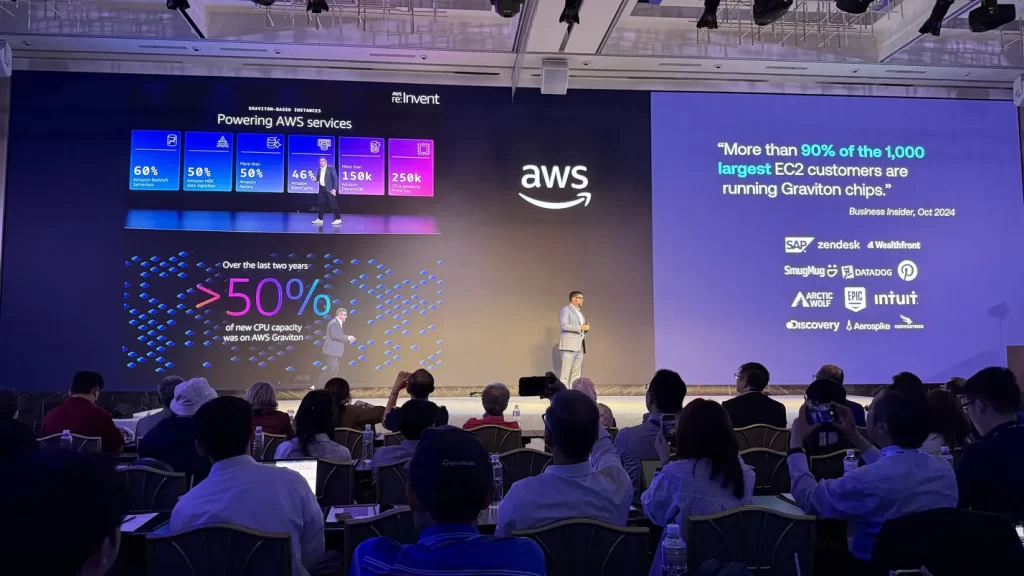
That same philosophy is driving shifts in cloud infrastructure. More than 50% of AWS’s new compute capacity now runs on Arm-based Graviton chips, with cloud providers citing at least 40% energy savings. With Taiwan’s data center power consumption expected to rise eightfold by 2028, these efficiency gains are seen as critical.
Arm’s Neoverse CPUs are also powering NVIDIA’s Grace Blackwell platform, which tightly integrates CPUs, GPUs, and DPUs for AI-first workloads. Bergey noted that traditional architectures were not designed for AI’s demands – system-level optimization is now a necessity.

Beyond mobile, Arm is expanding its reach into PCs and lightweight laptops. MediaTek’s Kompanio Ultra chip, designed for thin-and-light notebooks, demonstrates how Arm is targeting students, creators, and general users with AI-capable devices.

Looking forward, Arm is preparing to launch its next-generation CPU codenamed Travis. It features Scalable Matrix Extensions (SME) for significant AI acceleration and promises double-digit IPC improvements. On the GPU front, the upcoming Drage architecture aims to deliver console-class graphics performance for mobile and content-rich applications.