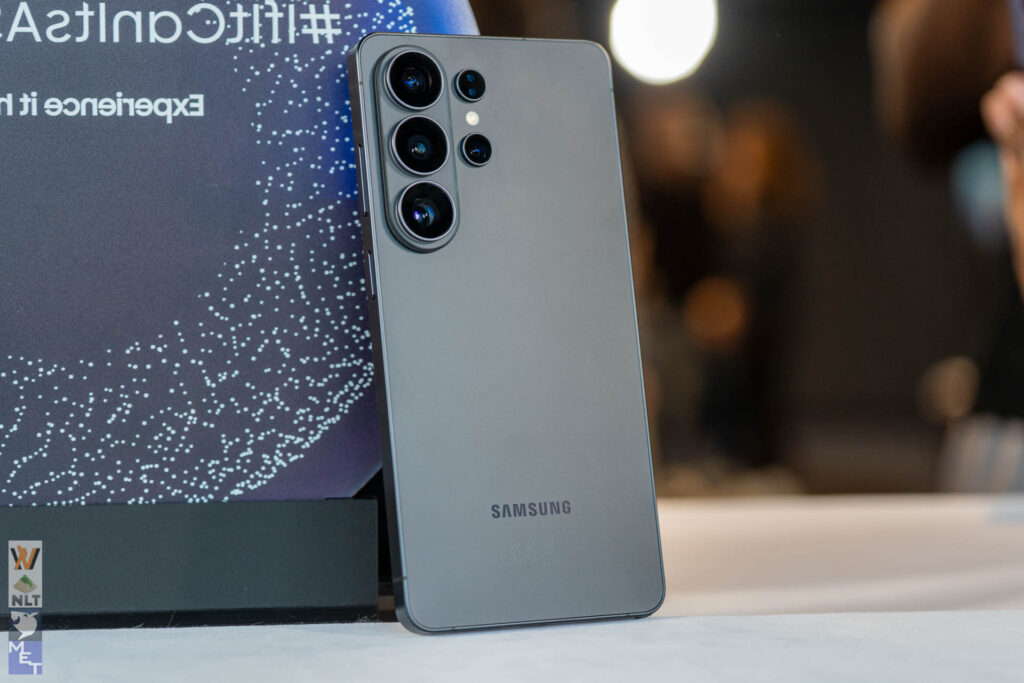
Malaysians are still at baby steps when it comes to using smartphone AI, but agentic AI could accelerate that hugely

Malaysians today mostly use AI on their phones for quick, lightweight tasks such as asking for directions, setting alarms, and searching for answers, according to multiple reports, effectively treating it as a form of on-demand mobile search. That behaviour, however, is poised to evolve as agentic AI emerges, designed not only to respond to prompts but to understand user goals, make decisions, take actions across apps, and continuously improve based on outcomes.
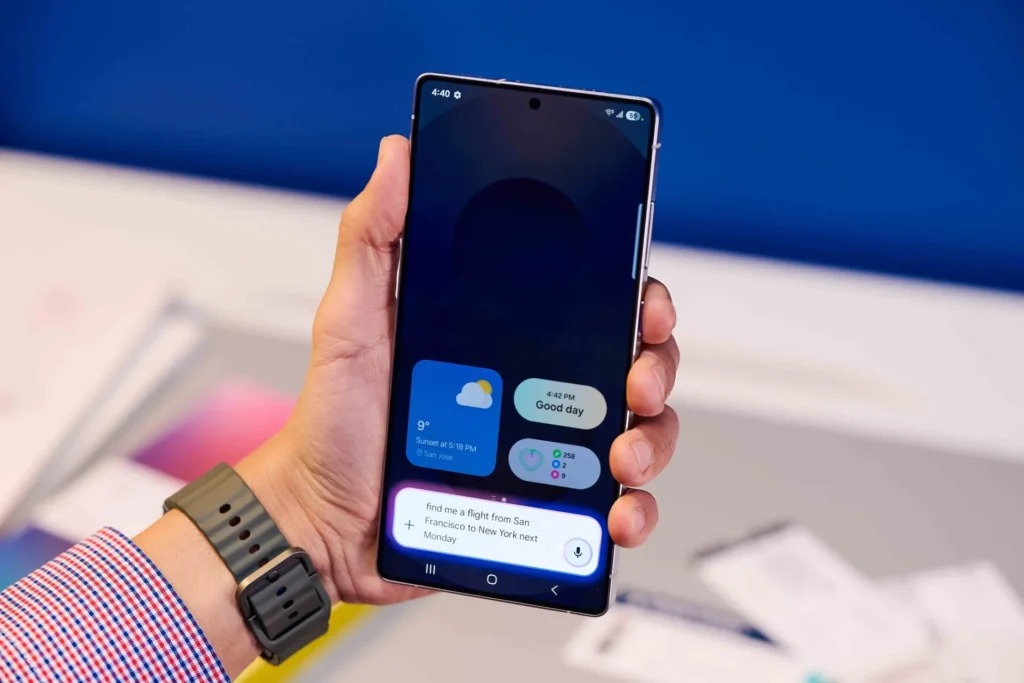
Unlike conventional assistants that wait for step-by-step instructions, agentic AI is built to operate proactively in the background, drawing context from a user’s environment such as calendars, location, traffic conditions, and behavioural patterns. A single goal can trigger multiple coordinated actions across services, enabling the AI to plan and execute tasks with minimal user intervention.
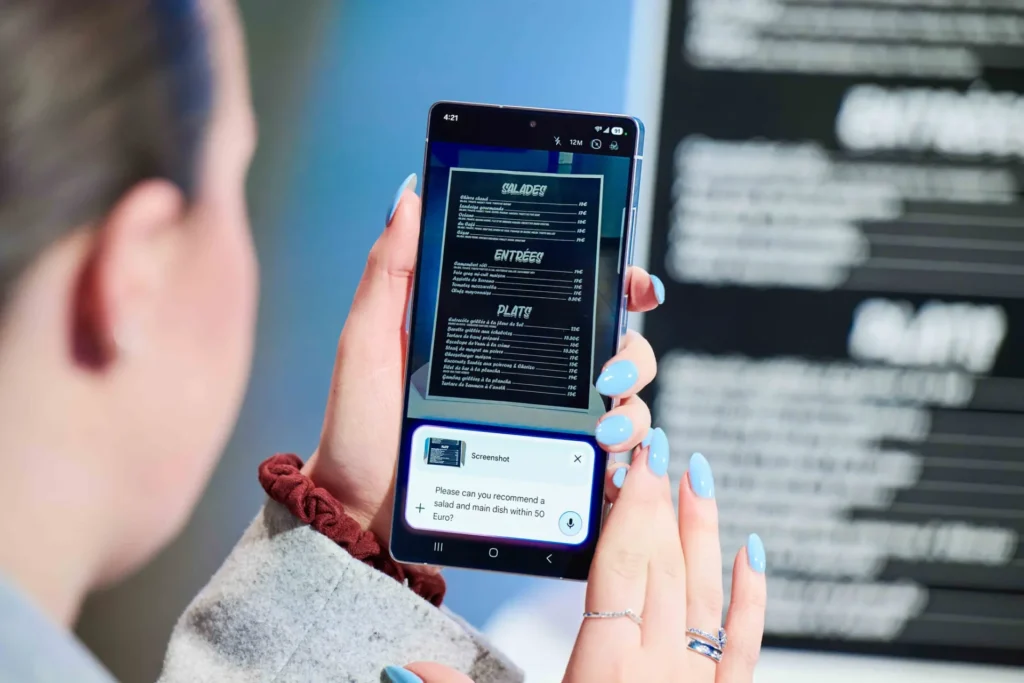
In practical terms, this could see a working professional in KL preparing to leave home while the AI checks congestion on the LDP, automatically informs colleagues of a delayed arrival, reschedules a meeting, and launches Waze with the fastest route – all without the user touching their phone. For parents, the same technology could identify school-related details buried in WhatsApp messages, add events directly into calendars, set reminders, and prepare navigation to tuition centres later in the day.
The longer-term impact goes beyond one-off automation. As these systems learn daily routines, they could proactively prepare transit apps before regular LRT commutes, silence notifications during scheduled meetings, and recommend earlier departure times when rain or road closures are expected. Local cultural contexts can also be factored in, with AI adjusting notification behaviour near iftar during Ramadan, suggesting quieter modes in the evening, or delivering prayer time reminders based on location, gradually shifting the experience from tool-based interaction to something closer to a genuinely adaptive personal assistant.
This evolution, however, is tightly linked to trust and data protection. Strong privacy safeguards are the prerequisite, which explains the growing emphasis on on-device AI processing and hardware-level encryption in recent years. Rather than being about flashy features, the promise of agentic AI lies in reducing everyday friction – fewer taps, fewer manual reminders, and fewer things users need to actively manage – pointing to a broader shift in how mobile ecosystems are designed and experienced.